
Help us Improve!
We'd love to hear your thoughts, take our survey and share your feedback
Making Nepal's Data Open
and Accessible For All
Discover, access, and use open data to drive innovation, transparency, and inclusive development.
Ask AI to find datasets, get answers, or build charts.
Discover Data By Categories
Take Advantage of Powerful Features
A single platform to connect with, explore, and utilize data - seamlessly and effortlessly.
Open Access
Explore with AI
API Access
Search and Filter
Download Data
Explore Data
Publish Data
Recently Shared Datasets
Discover the latest datasets contributed by the community to support data-driven insights and collaboration.
Data Stories: Insights Uncovered Through Open Data
Explore real-world stories, visualizations, and analyses that highlight the impact of open data on communities, policies, and progress.
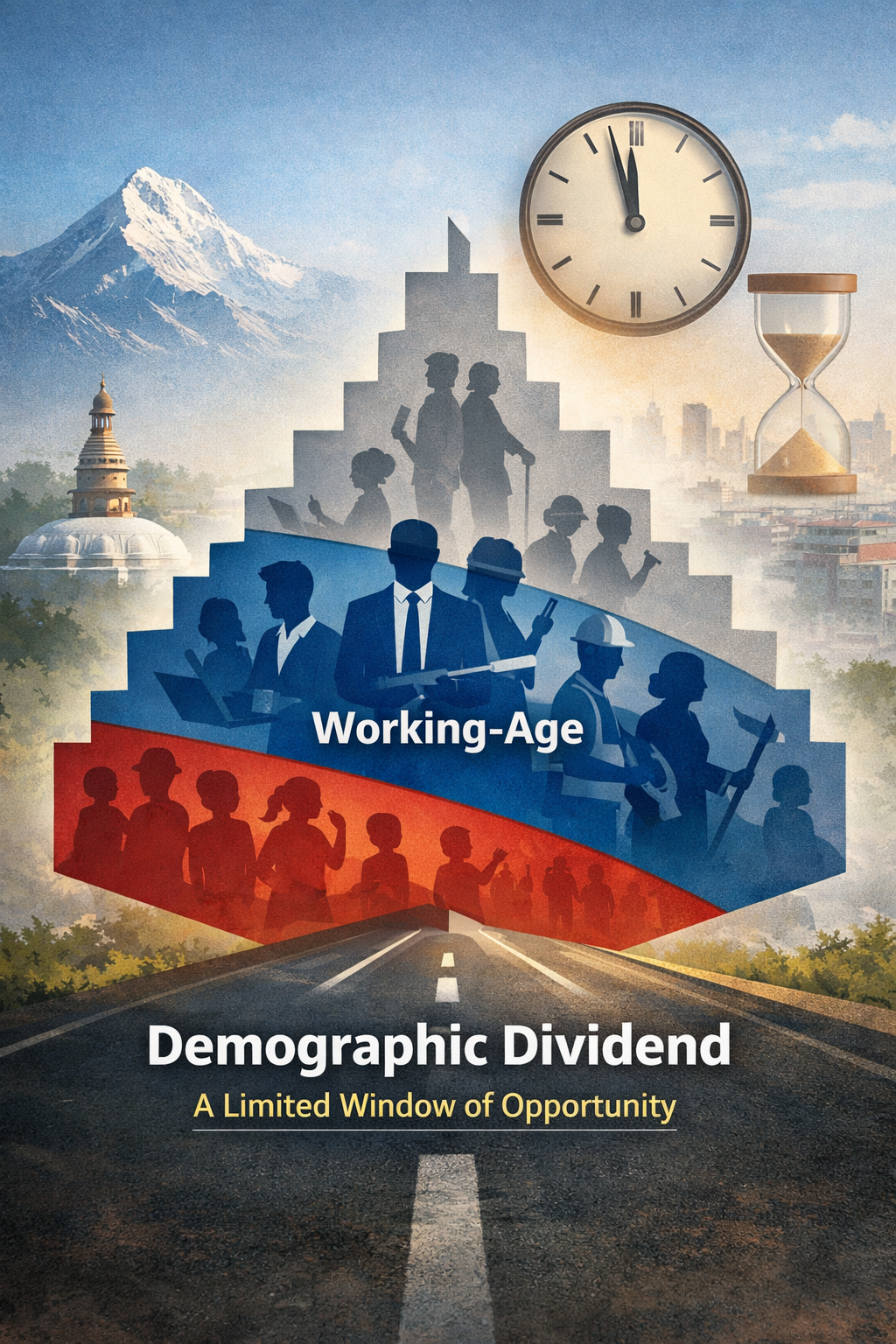
Nepal's Demographic Dividend: A Narrowing Window of Opportunity
Nepal is currently in a demographic dividend phase, with a historically high share of working-age population and a declining dependency burden. This creates a short-term opportunity to boost economic growth through higher productivity, savings, and investment. However, declining fertility and a rising elderly population mean this window is temporary, making timely investments in jobs and human capital crucial.

Are Nepali People Able to Afford Inflation?
For the average worker in Nepal, the last seventeen years have been a volatile balancing act between rising earnings and a relentless cost of living. While nominal wages have surged by over 320% since 2009, the "Real Wage Gap"—the difference between wage growth and inflation—reveals a story of lumpy progress and sudden erasures of purchasing power.
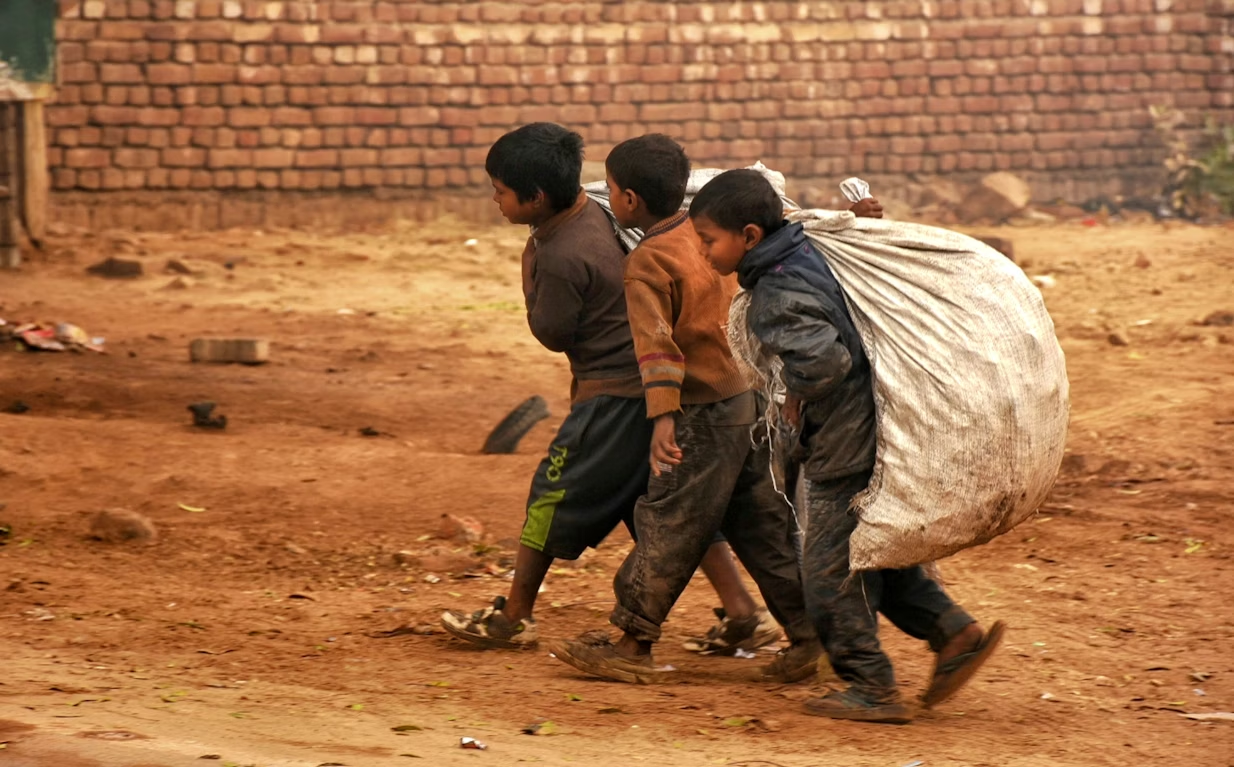
Child Labour in Nepal: Insights from Nepal Child Labour Report 2021
Child labour in Nepal remains a widespread and structured issue, despite strong laws and national commitments. It disproportionately affects younger children, girls, rural households, and those living in less developed provinces, with agriculture accounting for the vast majority of child labour. Children who are out of school are significantly more likely to work, especially adolescents, reinforcing cycles of vulnerability. Overall, the data shows that child labour is driven by poverty, gender norms, regional inequality, and limited access to education, requiring targeted and evidence-based interventions.